Masks from Around the World: Introduction to Types and Uses
You might have noticed the fact that in different cultures, no matter which continent they belong to, there is a tradition of creating masks. Why is creating masks so popular? Our introduction to another person begins with a visual assessment of their facial features – facial features distinguish ethnicity, age, social affiliation, mood, and more.
Imagine standing in front of a powerful mask in a museum! In the past, these masks were not considered “art for display,” but rather a ceremonial tool that “held” a spirit or an ancestor – a central custom in the rituals of many communities in Africa. Today they are displayed in museums around the world.
In this activity (by: Dr. Yulia Vorobieichik), we will explore the deep meaning of masks, learn how shapes and materials tell a story about the beliefs and values of traditional Africa, and create a personal mask that represents a power or an idea – just like a museum artifact.
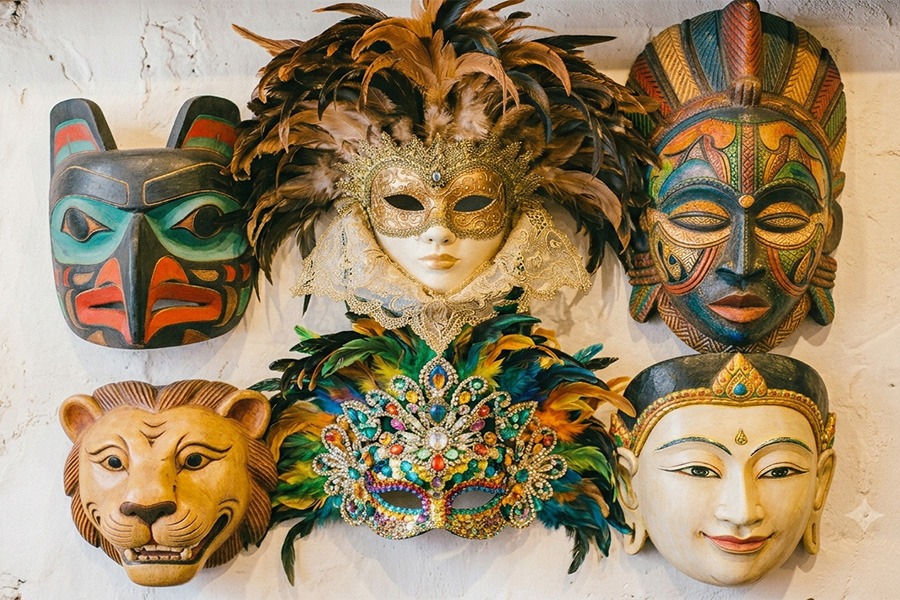
Let's see some different masks:
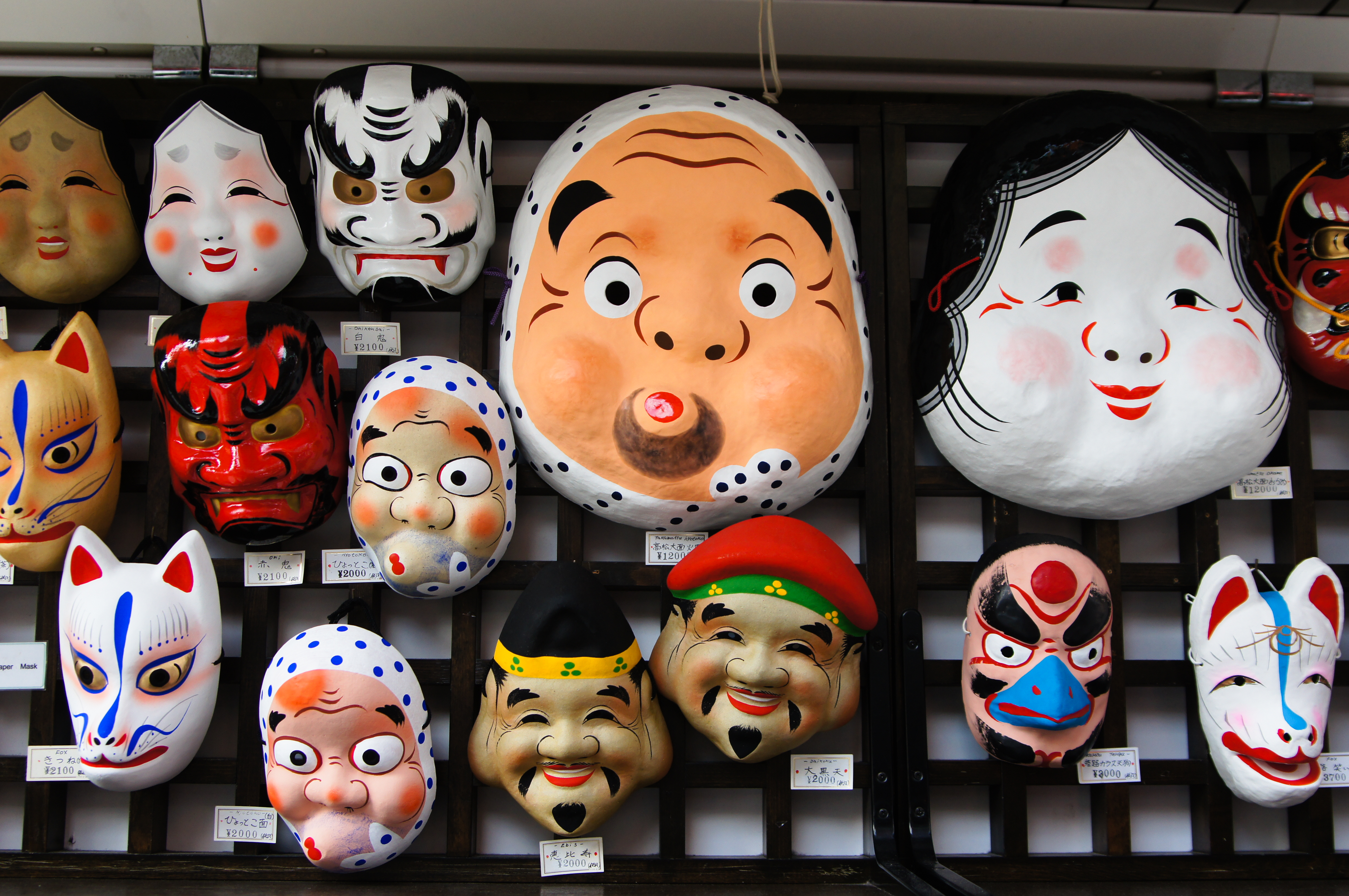
Japan
Japanese masks reflect the general approach of the Japanese to emotional experiences.
The Carnival in Brazil
A mask intended for a Brazilian carnival.
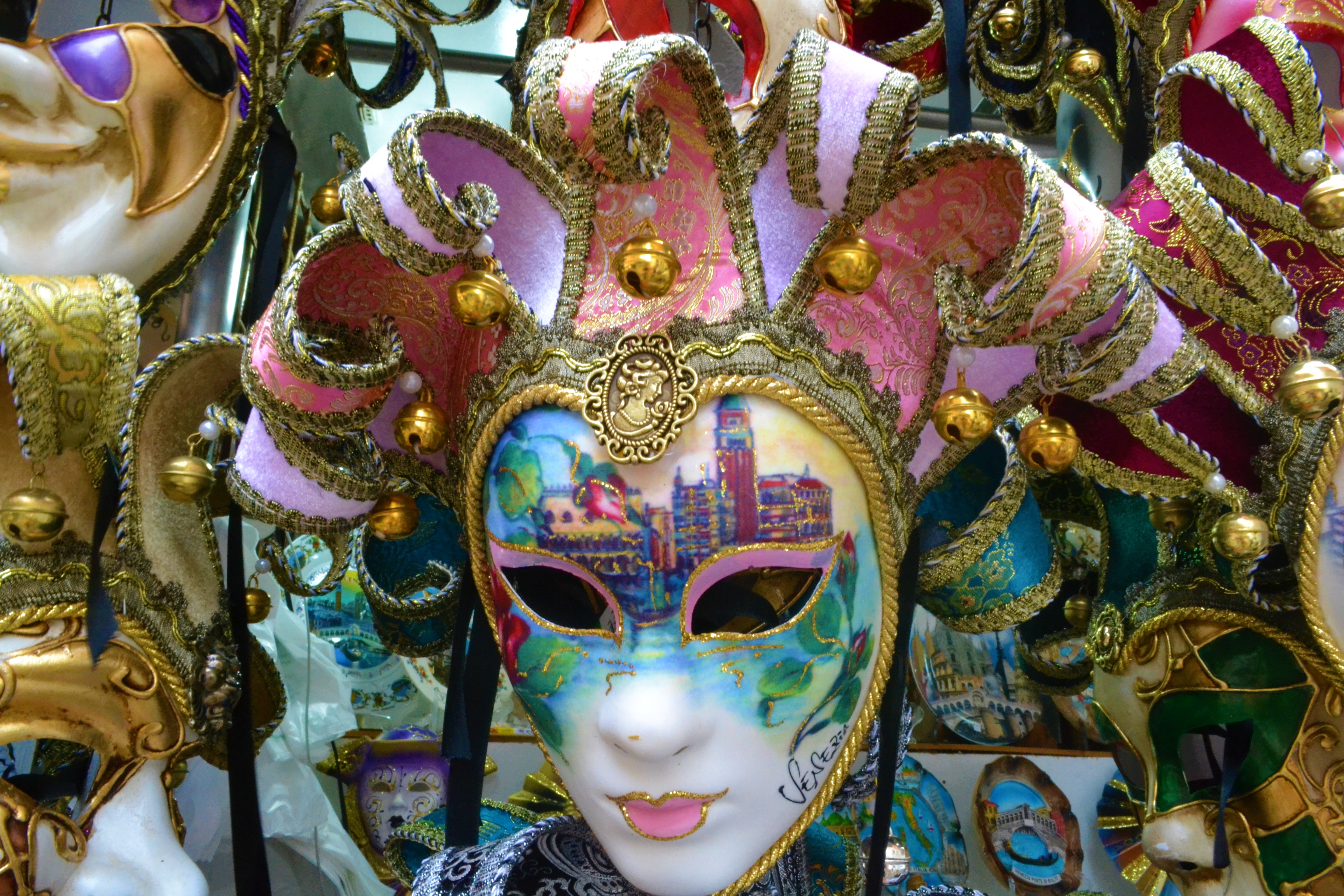
Venice Festival, Italy
A very elaborate Italian mask, intended for the carnival in Venice.
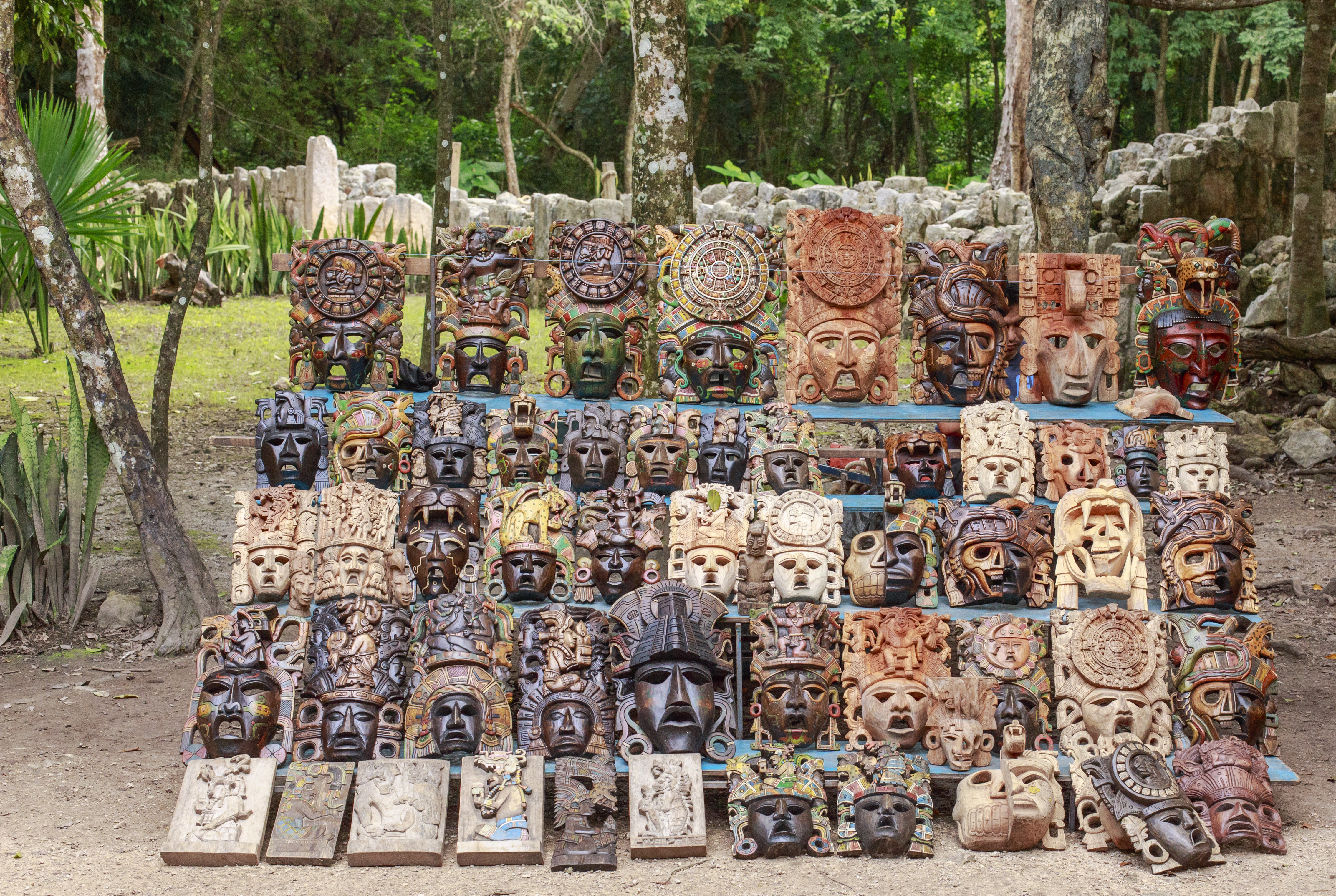
Mexico
Mexican masks.
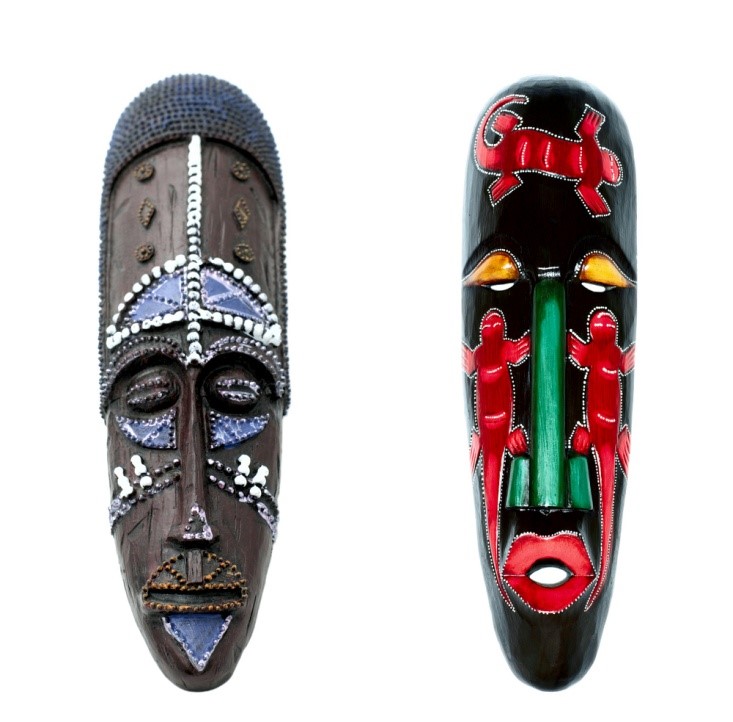
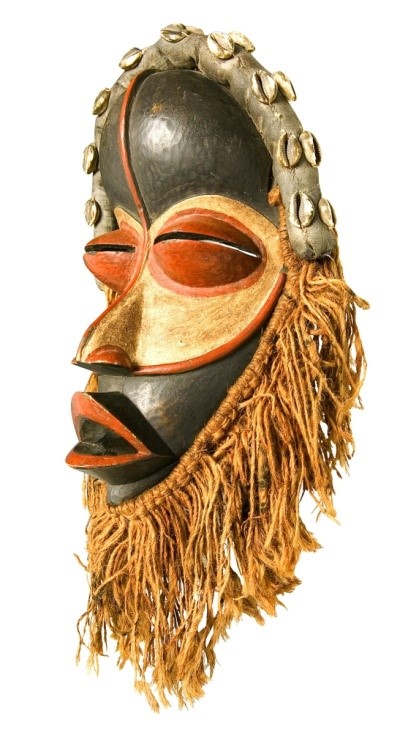
However, the most extensive use of masks can be seen in the countries of the African continent. And this is no coincidence. To this day, the use of masks is essential in all the spectacular ceremonies that accompany the important events in the lives of the local residents: The birth of a new baby, initiation rites, wedding ceremonies, the experience of motherhood, a change in social status, death, and funeral ceremonies – all of these events receive a symbolic reflection through ritual dances with masks.
The placement of an African mask on a person’s body can vary. A mask can be placed on the face or on the forehead, on the top of the head, or cover the entire head like a helmet. Furthermore, the mask can be attached to the shoulder, the knee, or simply held in the hand in front of the face.
On the right side, we can see some examples of African masks.
The Activity
Making Masks
As seen in the images, African masks are made of wood.
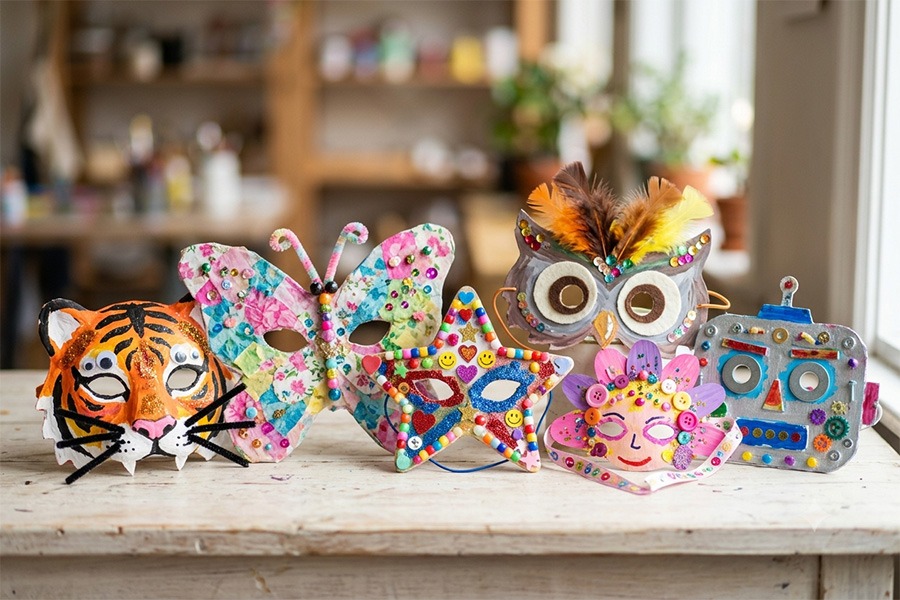
In creative activities with children, paper, bristol board, or cardboard can be used. Additionally, a mask can be decorated using a regular gluing technique (stickers, glitter, beads, etc.), decoupage technique, or by painting.
אתר זה עושה שימוש שימוש בקבצי עוגיות (COOKIES) וטכנולוגיות מעקב לצורך תפעולו התקין ואבטחתו וגם למטרות נוספות כמו שיפור חווית הגלישה, ניתוח נתונים סטטיסטיים פרסום מותאם אישית או מבוסס העדפות. אנו לא נתקין באמצעות האתר על מכשירך עוגיות וטכנולוגיות מעקב נוספות שאינן הכרחיים לתפעול הטכני של האתר ללא הסכמתך. למידע נוסף אנא עיין בחלק "נתונים שאינם מידע אישי אשר אנו אוספים באתר" במדיניות הפרטיות שלנו.
"This website uses cookies and tracking technologies for its proper functioning and security, as well as for additional purposes such as improving your browsing experience, statistical data analysis, and personalized or preference-based advertising. We will not install on your device any cookies or tracking technologies that are not strictly necessary for the technical operation of the site without your consent. For more information, please refer to the section “Non-Personal Data we Collect" in our privacy policy