Activity 3: Fruits in Africa - A Celebration of Tropical Flavors
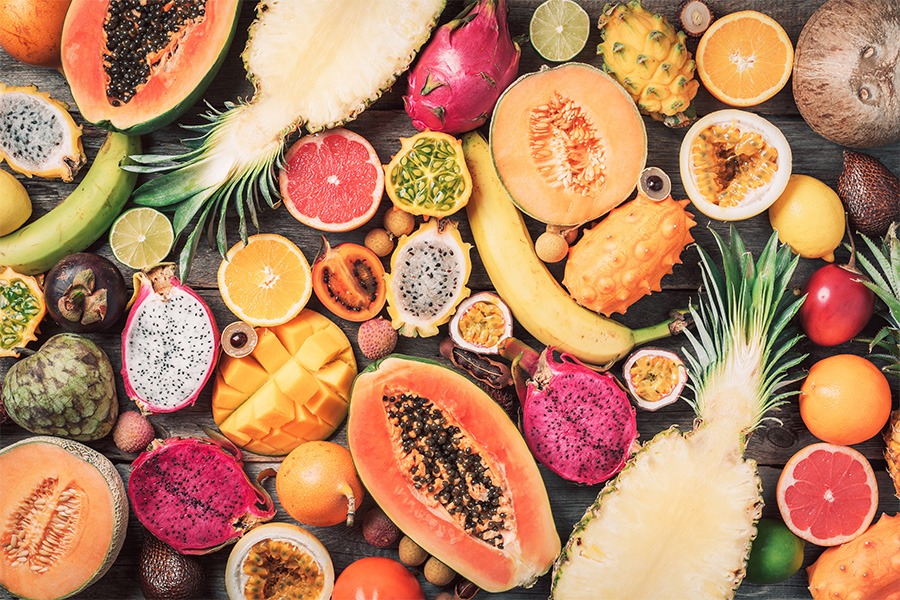
The tropical climate in Africa creates a perfect environment for growing juicy tropical fruits, which form an important part of the local diet. In this activity, we will be exposed to the variety of fruits grown on the continent (such as pineapple, papaya, and plantain), learn about their historical origins, and understand their place in the African meal. Additionally, we will prepare a colorful fruit salad or a refreshing smoothie inspired by African cuisine.
In this activity (by: Dr. Galit Botzer), the children will get to know a variety of fruits grown in Africa and understand their importance in the local cuisine and the diet of the people of the continent. These fruits originated in different places around the world. They were imported to Africa throughout history and took their place in local agriculture.
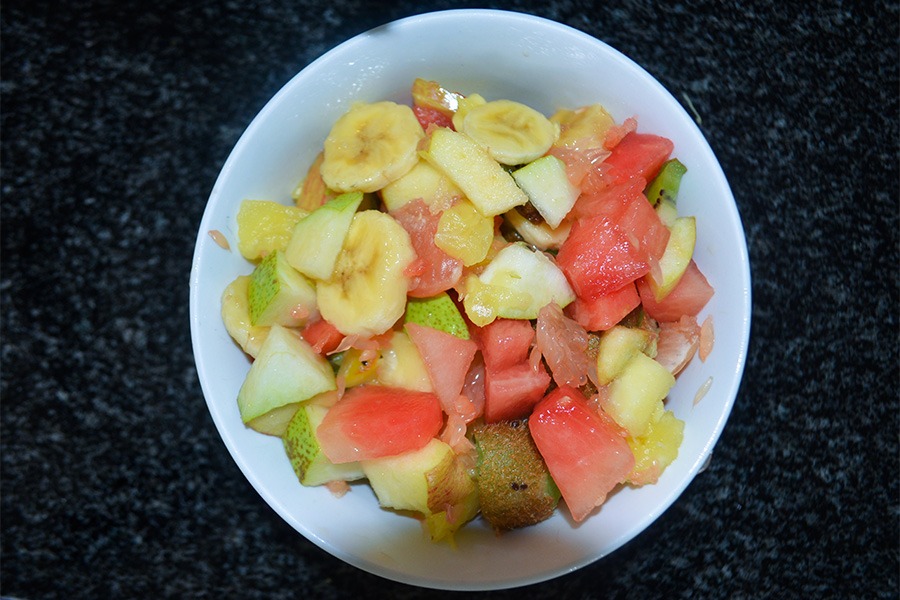
African Fruit Salad
A wide variety of tropical fruits were domesticated in Africa. Some of them originated in Africa, but many of them were imported, such as mango and banana which were imported from East Asia. Usually, an African meal does not include dessert, and it is customary in Africa to eat fruits as a snack. In West Africa, the closest thing to a dessert is a fruit salad called “after chop,” which includes a variety of fruits. In East Africa, the Swahili prepare Saladi ya matunda for dessert. It is interesting to note that one of the ingredients of the African salad is avocado.
The Activity
Which fruits do you know?
The following fruits grow in Africa. Although their origin is not originally in Africa. They were imported to Africa from other countries, but the tropical climate in West Africa is suitable for growing them.
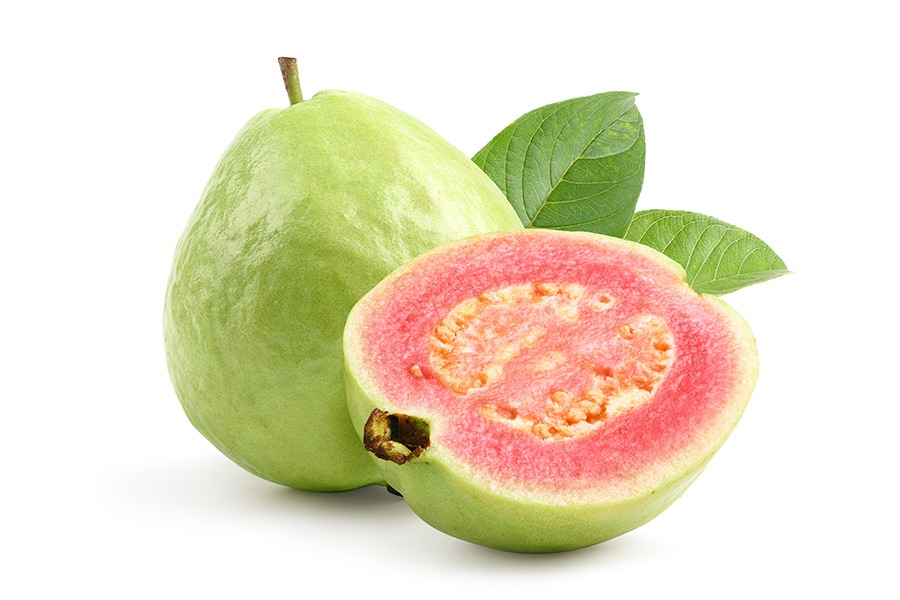
Guava
Guava plants grow in tropical and subtropical countries. The guava fruit is sweet and its skin is thin. The fruit has a strong characteristic scent.
Pineapple
A fruit that originated in South American countries. It was domesticated all over the world. Today, Ivory Coast in West Africa is one of the largest exporters of pineapples.
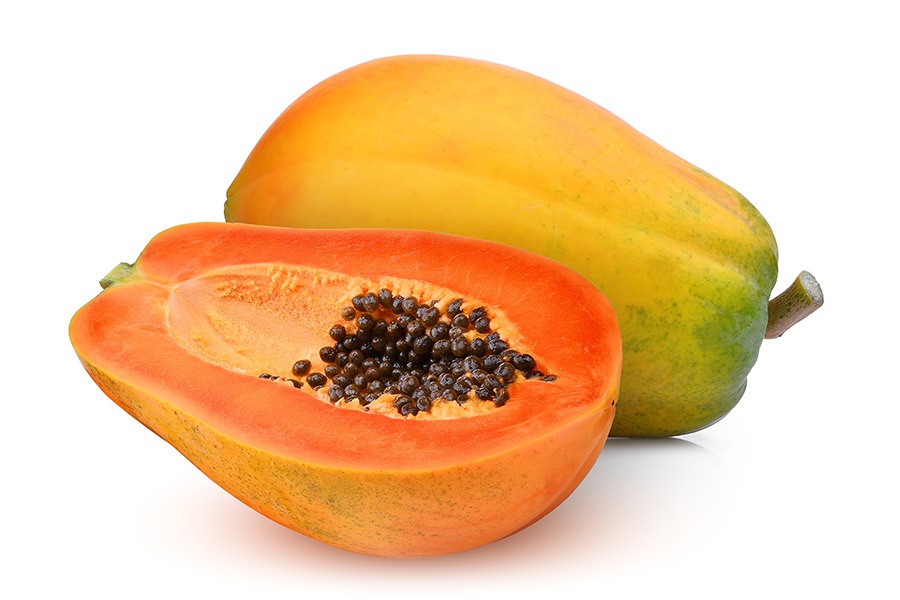
Papaya
A fruit that originated in Central America. Grows in all tropical countries. The fruit is ripe to eat and sweet when its color is orange.
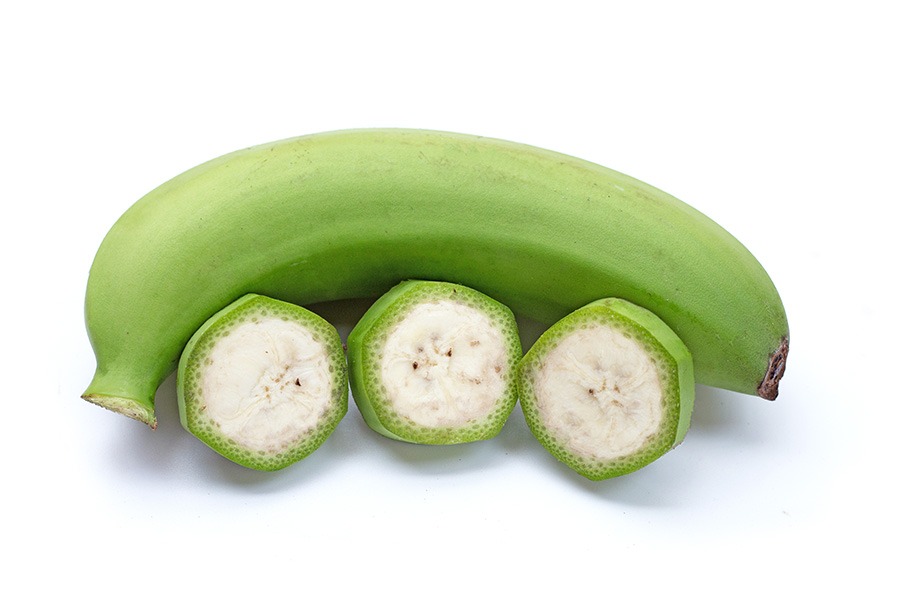
Banana
We know the sweet yellow banana. However, a variety of banana called plantain grows in Africa, which is not sweet and is a main source of carbohydrates.
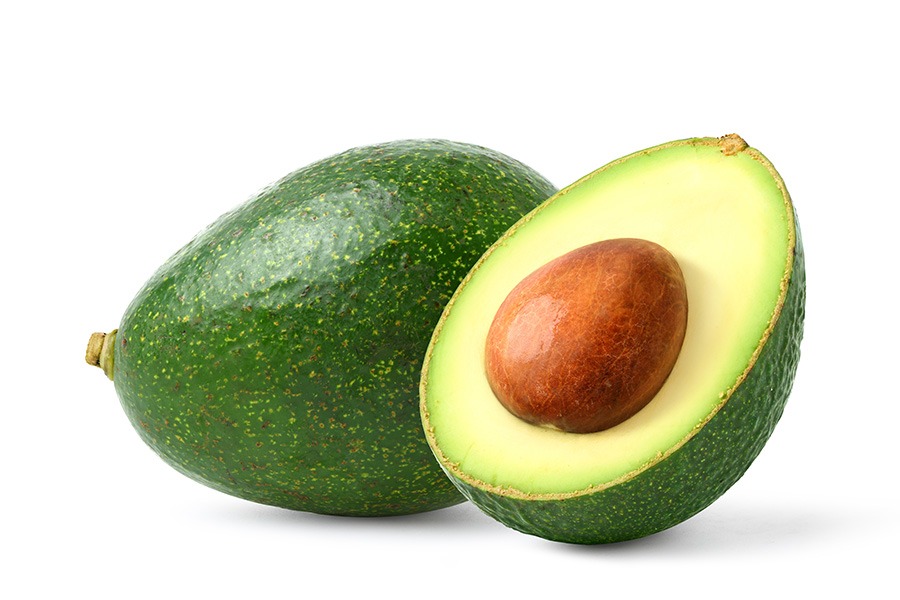
Avocado
Avocado is a subtropical fruit tree. The height of an avocado tree can reach up to 51 meters. The avocado originated in Mexico and Central America, from where the Spaniards distributed it to South America and Africa.
Coconut
Coconut grows in hot and humid places. It is believed to have originated in South America and spread from there around the world. The coconut includes fruit that can be eaten fresh or fried. Coconut water is nutritious and includes sugar, dietary fiber, and vitamins.
Fruit Salad
In the first stage, the children will prepare a fruit salad from fruits they are less familiar with. It is recommended to combine familiar fruits (banana, orange, strawberry, melon) in the salad alongside less familiar fruits (pineapple, papaya), and also to adapt the variety of fruits to the season of the year. It is recommended to involve the children in cutting the fruits and to use plastic knives. Orange juice can be added to taste.
Fruit Smoothie
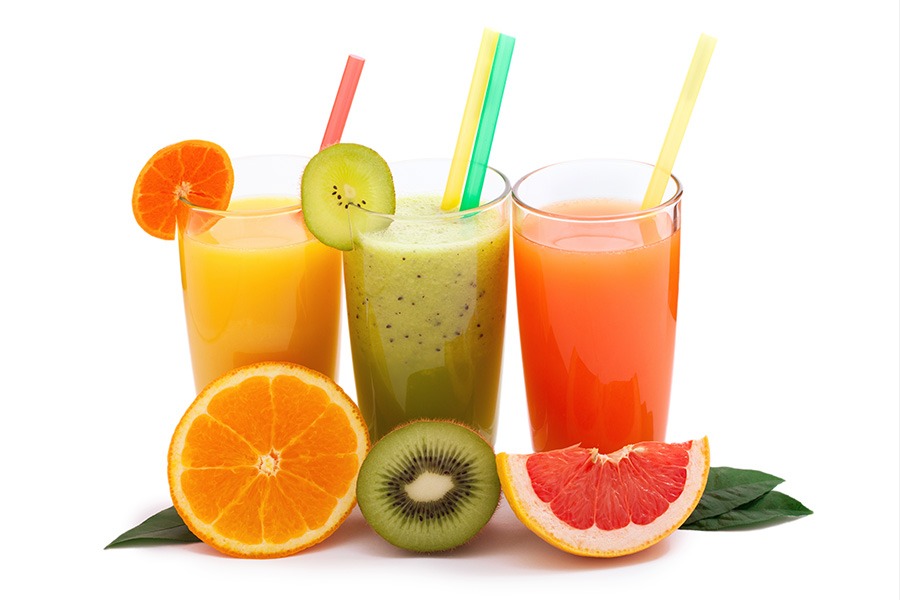
Now the children will prepare a fruit smoothie. Ask your children which fruit they love. We recommend trying a mango smoothie, but the mango can be replaced with another fruit from the list: banana, grapes, melon, papaya, peach, plum, pineapple, or a combination of several fruits.
Cut the fruits and place them together in the food blender. Add milk, water, or orange juice as a base according to your taste. Ice cubes can be added. \(\space\)
As an extension, you can play with the quantities in the recipe: decrease / increase the amounts of liquids and ice cubes. And examine the resulting outcome: a thicker / thinner smoothie.
אתר זה עושה שימוש שימוש בקבצי עוגיות (COOKIES) וטכנולוגיות מעקב לצורך תפעולו התקין ואבטחתו וגם למטרות נוספות כמו שיפור חווית הגלישה, ניתוח נתונים סטטיסטיים פרסום מותאם אישית או מבוסס העדפות. אנו לא נתקין באמצעות האתר על מכשירך עוגיות וטכנולוגיות מעקב נוספות שאינן הכרחיים לתפעול הטכני של האתר ללא הסכמתך. למידע נוסף אנא עיין בחלק "נתונים שאינם מידע אישי אשר אנו אוספים באתר" במדיניות הפרטיות שלנו.
"This website uses cookies and tracking technologies for its proper functioning and security, as well as for additional purposes such as improving your browsing experience, statistical data analysis, and personalized or preference-based advertising. We will not install on your device any cookies or tracking technologies that are not strictly necessary for the technical operation of the site without your consent. For more information, please refer to the section “Non-Personal Data we Collect" in our privacy policy