




דף הבית \(\blacktriangleleft\) מחקרים ופרסומים \(\blacktriangleleft\) בסיס מדעי ותשתית מחקרית
בסיס מדעי ותשתית מחקרית
בסיס תיאורטי ותשתית מחקרית
המחקר הנרחב המבוצע במרכז חמ"ה נשען על תשתית תיאורטית רחבה, רב-תחומית ואינטגרטיבית, המשלבת מסורות מחקר קלאסיות בחינוך מתמטי עם פיתוחים עכשוויים בפסיכולוגיה קוגניטיבית, מדעי המוח וחקר היצירתיות. תשתית זו מתועדת באמצעות סדרת מאמרי סקירה ופרקי מבוא מקיפים, המשמשים כעוגן מושגי להבנת המורכבות של למידה, הוראה ומחוננות (Cai et al., 2026; Leikin, 2011, 2020, 2023; Leikin & Sriraman, 2022).
עבודותיהם של פרופ' רוזה לייקין ושותפיה מניחות את היסודות לכלים המחקריים המרכזיים של המרכז (Sriraman & Leikin, 2016), תוך יצירת סינתזה של "מצב האמנות" (State of the art) ועדכון שאלות מחקר מרכזיות, כמו הקשר בין יצירתיות למחוננות במתמטיקה (Leikin, 2009, 2011).

הבחנה מושגית מעמיקה
המרכז מבחין בין פוטנציאל מתמטי, מומחיות ומחוננות כללית, תוך הישענות על הוגים קלאסיים כקרוטצקי, פוליה, שולמן וויגוצקי וכן על פיתוח מודלים מודרניים המקשרים בין תהליכים קוגניטיביים לתוצרי למידה (Leikin, 2006, 2007, 2009, 2019, 2021; Pitta-Pantazi & Leikin, 2018).
יצירתיות ופתרון בעיות
מאמרי הסקירה מגדירים קריטריונים להערכת יצירתיות (שטף, גמישות ומקוריות) ומסגרות לניתוח משימות פתוחות, כמו משימות מרובות פתרונות (MOTs) ודרכי פתרון (MSTs), משימות ניסוח בעיות (Problem Posing), משימות תובנה (Insight) ומשימות חקירה דינמיות (Leikin, 2015, 2026; Leikin & Cai, 2026; Leikin & Guberman, 2023; Leikin & Lev, 2013; Leikin & Pitta-Pantazi, 2013).
מחקר יישומי
מחקר נוירוקוגניטיבי במתמטיקה
המרכז משלב ממצאי מחקר מתחום הנוירוקוגניציה כדי לתקף תאוריות חינוכיות ולהעמיק את ההבנה של תהליכי למידה ופתרון בעיות (Leikin et al., 2013; Leikin et al., 2014; Leikin et al., 2025; Waisman et al., 2014). שילוב זה מאפשר גישורי מדע-פרקטיקה, המבוססים על הבנה מעמיקה של תפקוד המוח בעת התמודדות עם אתגרים מתמטיים. ממצאי המחקר משמשים בסיס לפיתוח סביבות למידה המותאמות ליכולות הקוגניטיביות המגוונות של התלמידים (Guberman & Leikin, 2013; Leikin, 2018, 2021; Leikin et al., 2023; Miller Markovitz et al., 2025; Sriraman & Leikin, 2016; Waisman et al., 2025).
מודלים של ידע של מורים
המרכז מבסס את פעילותו על מודלים של ידע תוכן פדגוגי ושילוב בין מרכיבים פורמליים ואינטואיטיביים (Leikin, 2006; Lev-Zamir & Leikin, 2011), וכן על תיאוריות של קהילות פרקטיקה ולמידה מבוססת חקירה (Leikin & Levav-Waynberg, 2007; Leikin & Grossman, 2013). נעשה שימוש באסטרטגיות כגון "מה אם לא?", דגש על דרכי פתרון מרובות וניצול האתגר הלימודי באמצעות משימות מפתחות ומדריכות ללמידה שונות של תלמידים (Leikin, 2018, 2019, 2023).
מעבר ממחקר יישומי לפרקטיקה פדגוגית
הפרקטיקה הפדגוגית במרכז חמ"ה אינה נשענת רק על תיאוריה, אלא על ישום מחקרי מובנה. המודלים הפדגוגיים שאנו מפתחים מתבססים על קשר ישיר בין מחקר קוגניטיבי לבין בניית סביבת למידה מאתגרת.
מחקר מוכוון תוצאות: שימוש במשימות מרובות פתרונות ודרכי פתרון (MOTs, MSTs) להערכת גמישות.
סביבה תומכת: הטמעת נורמות כיתתיות המעודדות העזה מתמטית.
משוב מושתת ראיות: התאמת העומס הקוגניטיבי לפי ממצאי מחקר נוירו-חינוכי.
תיאוריה ומחקר קוגניטיבי
מודל פדגוגי יישומי
עשייה כיתתית ופיתוח חשיבה
סביבת הלמידה והאתגר המתמטי
חלק זה מציג כיצד נוצר אתגר מתמטי בכיתה. לחצו על המרכיבים השונים כדי להבין את השפעתם על יצירת הוראה מבוססת בעיות המותאמת לרמות שונות של תלמידים.
הנחיית המורה
ניהול האתגר על ידי המורה
נורמות סוציו-מתמטיות
השפעת נורמות סוציו-מתמטיות
סקרנות ויכולות הלומד
תפקיד הסקרנות והלומד
📚 מקורות (References)
Cai, J., Leikin, R., & Robison, V. (2026). New Advances and Directions of Mathematical Problem-Posing Research. Research in Mathematical Problem Posing: New Advances and Directions, 1-15. https://doi.org/10.1007/978-3-032-05493-7_1
Guberman, R., & Leikin, R. (2013). Interesting and difficult mathematical problems: changing teachers’ views by employing multiple-solution tasks. Journal of Mathematics Teacher Education, 16(1), 33-56. https://doi.org/10.1007/s10857-012-9210-7
Leikin, R., Cai, J. (2026). Research on Mathematical Creativity and Problem Posing: State of the Art and Future Development. In: Cai, J., Leikin, R. (eds) Research in Mathematical Problem Posing. Research in Mathematics Education. Springer, Cham. https://doi.org/10.1007/978-3-032-05493-7_7
Leikin, R., & Elgrably, H. (2022). Strategy creativity and outcome creativity when solving open tasks: focusing on problem posing through investigations. ZDM–Mathematics Education, 54(1), 35-49. https://doi.org/10.1007/s11858-021-01319-1
Leikin, R., & Grossman, D. (2013). Teachers modify geometry problems: from proof to investigation. Educational Studies in Mathematics, 82(3), 515-531. https://doi.org/10.1007/s10649-012-9460-4
Leikin, R., & Guberman, R. (2023). Creativity and challenge: Task complexity as a function of insight and multiplicity of solutions. In R. Leikin (Ed.), Mathematical challenges for all (pp. 325-342). Cham: Springer International Publishing. https://doi.org/10.1007/978-3-031-18868-8_17
Leikin, R., & Lev, M. (2013). Mathematical creativity in generally gifted and mathematically excelling adolescents: What makes the difference?. Zdm, 45(2), 183-197. https://doi.org/10.1007/s11858-012-0460-8
Leikin, R., & Levav-Waynberg, A. (2007). Exploring mathematics teacher knowledge to explain the gap between theory-based recommendations and school practice in the use of connecting tasks. Educational Studies in mathematics, 66(3), 349-371. https://doi.org/10.1007/s10649-006-9071-z
Leikin, R., & Pitta-Pantazi, D. (2013). Creativity and mathematics education: The state of the art. ZDM Mathematics Education, 45(2), 159-166. https://doi.org/10.1007/s11858-012-0459-1
Leikin, R., & Sriraman, B. (2022). Empirical research on creativity in mathematics (education): From the wastelands of psychology to the current state of the art. ZDM–Mathematics Education, 54(1), 1-17. https://doi.org/10.1007/s11858-022-01340-y
Leikin, R., Leikin, M., Waisman, I., & Shaul, S. (2013). Effect of the presence of external representations on accuracy and reaction time in solving mathematical double-choice problems by students of different levels of instruction. International Journal of Science and Mathematics Education, 11(5), 1049-1066. https://doi.org/10.1007/s10763-012-9388-z
Leikin, M., Waisman, I., Shaul, S., & Leikin, R. (2014). A comparative study on brain activity associated with solving short problems in algebra and geometry. In Proceedings of the 38th Conference of the International Group for the Psychology of Mathematics Education (Vol. 4, pp. 121-128). PME
Leikin, R., Klein, S., Ovodenko, R., Gurevitch, I., Dinur, S., & Leen, Y. (2023). Math-Key Program: Opening mathematical minds by means of open tasks supported by dynamic applets. In R. Leikin (Ed.), Mathematical challenges for all (pp. 93–113). Springer. https://doi.org/10.1007/978-3-031-18868-8_6
Leikin, R., Hsu, H.-Y., Ansari, D., Abrahamson, D., Obersteiner, A., Miskin, M., & Waisman, I. (2025). Systematics review of the interdisciplinary exchange among mathematics education and neuroscience. ZDM – Mathematics Education, 57, 583–602. https://doi.org/10.1007/s11858-025-01705-z
Leikin, R., Pitta-Pantazi, D., Cai, J., Hsu, H.-Y., Felmer, P., Gödeke, P., Karp, A., Koichu, B., Krawitz, J., Robison, V., Schukajlow, S., & Zazkis, R. (2025). Curiosity in mathematics: Theoretical, methodological and practical lenses. In C. Cornejo, P. Felmer, D. M. Gómez, P. Dartnell, P. Araya, A. Peri, & V. Randolph (Eds.), Proceedings of the 48th Conference of the International Group for the Psychology of Mathematics Education: General Contributions (pp. 151-180). PME
Leikin, R. (2006). Learning by teaching: The case of Sieve of Eratosthenes and one elementary school teacher. In R. Zazkis & S. Campbell (Eds.), Number Theory in Mathematics Education: Perspectives and Prospects. (pp. 115-140). Mahwah, NJ: Erlbaum
Leikin, R. (2007). Habits of mind associated with advanced mathematical thinking and solution spaces of mathematical tasks. CERME 5, 2330-2339
Leikin, R. (2009). Bridging research and theory in mathematics education with research and theory in creativity and giftedness. In R. Leikin, A. Berman, & B. Koichu (Eds.), Creativity in mathematics and the education of gifted students (pp. 385–411). Sense Publishers
Leikin, R. (2011). The education of mathematically gifted students: Some complexities and questions. The Mathematics Enthusiast, 8(1), 167-188. https://doi.org/10.54870/1551-3440.1211
Leikin, R. (2015). Problem Posing for and Through Investigations in a Dynamic Geometry Environment. In F. M. Singer et al. (Eds.), Mathematical Problem Posing (pp. 373–391). Research in Mathematics Education. https://doi.org/10.1007/978-1-4614-6258-3_18
Leikin, R. (2018). Part IV: Commentary–characteristics of mathematical challenge in problem-based approach to teaching mathematics. In Teaching and learning secondary school mathematics: Canadian perspectives in an international context (pp. 413-418). Cham: Springer International Publishing. https://doi.org/10.1007/978-3-319-92390-1_38
Leikin, R. (2019). Openness and constraints associated with creativity-directed activities in mathematics for all students. In N. Amado, S. Carreira, & N. Amado (Eds.), Broadening the scope of research on mathematical problem solving (pp. 387–396). Springer. https://doi.org/10.1007/978-3-319-99861-9_17
Leikin, R. (2019). Stepped tasks: Top-down structure of varying mathematical challenge. In P. Felmer, E. Pehkonen, & J. Kilpatrick (Eds.), Problem solving in mathematics instruction and teacher professional development (pp. 167–186). Springer Nature Switzerland AG. https://doi.org/10.1007/978-3-030-29215-7_9
Leikin, R. (2020). Giftedness and high ability in mathematics. In S. Lerman (Ed.), Encyclopedia of Mathematics Education (2nd ed., pp. 325-335). Springer International Publishing. https://doi.org/10.1007/978-3-319-77487-9_65-4
Leikin, R. (2021). Characterisation of mathematics teacher educators’ knowledge in terms of teachers’ professional potential and challenging content for mathematics teachers. In M. Goos & K. Beswick (Eds.), The learning and development of mathematics teacher educators (pp. 109–121). Springer. https://doi.org/10.1007/978-3-030-62408-8_6
Leikin, R. (2021). When practice needs more research: the nature and nurture of mathematical giftedness. ZDM-Mathematics Education, 53, 1579–1589. https://doi.org/10.1007/s11858-021-01276-9
Leikin, R. (2023). Introduction to Mathematical Challenges for All Unraveling the Intricacy of Mathematical Challenge. In: Leikin, R. (eds) Mathematical Challenges For All . Research in Mathematics Education. Springer, Cham. https://doi.org/10.1007/978-3-031-18868-8_1
Leikin, R. (2025). Creativity and curiosity (in mathematics) 2C or C2? Multiple facets, confluence and contrast. In R. Leikin et al. (Eds.), Mathematical Curiosity (Research in Mathematics Education). https://doi.org/10.1007/978-3-031-99082-3_3
Lev-Zamir, H., & Leikin, R. (2011). Creative mathematics teaching in the eye of the beholder: Focusing on teachers' conceptions. Research in Mathematics Education, 13(1), 17–32. https://doi.org/10.1080/14794802.2011.550715
Miller Markovitz, L., Landau, G. M., & Leikin, R. (2025a). Characterization of STEM-motivated high school students: Focusing on intelligence, mathematical competencies, and creativity. Journal for the Education of the Gifted, 48(4), 382-403. https://doi.org/10.1177/01623532251372602
Pitta-Pantazi, D., & Leikin, R. (2018). Mathematical potential, creativity and talent. In S. Lerman (Ed.), Encyclopedia of Mathematics Education. Springer. https://doi.org/10.4334/9781325133562-20
Sriraman, B., & Leikin, R. (2016). Commentary on interdisciplinary perspectives to creativity and giftedness. In R. Leikin & B. Sriraman (Eds.), Creativity and Giftedness: Interdisciplinary Perspectives from Mathematics and Beyond (pp. 259–264). Springer. https://doi.org/10.1007/978-3-319-38840-3_16
Waisman, I., Leikin, M., Shaul, S., & Leikin, R. (2014). Brain activity associated with translation between graphical and symbolic representations of functions in generally gifted and excelling in mathematics adolescents. International Journal of Science and Mathematics Education, 12(3), 669–696. https://doi.org/10.1007/s10763-014-9516-0
Waisman, I., Leikin, R., & Leikin, M. (2025). Insight elements of mathematical problem solving in generally gifted and mathematical experts: ERP amplitudes in PO electrodes. Frontiers in Integrative Neuroscience, 19, 1523334. https://doi.org/10.3389/fnint.2025.1523334
המחקר הנרחב המבוצע במרכז חמ"ה נשען על תשתית תיאורטית רחבה, רב-תחומית ואינטגרטיבית, המשלבת מסורות מחקר קלאסיות בחינוך מתמטי עם פיתוחים עכשוויים בפסיכולוגיה קוגניטיבית, מדעי המוח וחקר היצירתיות. תשתית זו מתועדת באמצעות סדרת מאמרי סקירה ופרקי מבוא מקיפים, המשמשים כעוגן מושגי להבנת המורכבות של למידה, הוראה ומחוננות (Cai et al., 2026; Leikin, 2011, 2020, 2023; Leikin & Sriraman, 2022). עבודותיהם של פרופ' רוזה לייקין ושותפיה מניחות את היסודות לכלים המחקריים המרכזיים של המרכז (Sriraman & Leikin, 2016), תוך יצירת סינתזה של "מצב האמנות" (State of the art) ועדכון שאלות מחקר מרכזיות, כמו למשל הקשר בין יצירתיות למחוננות במתמטיקה (Leikin, 2009a; Leikin, 2011).

בבסיס המודלים התיאורטיים של המרכז עומדת הבחנה מושגית מעמיקה בין פוטנציאל מתמטי, מומחיות ומחוננות כללית. מחקרים רבים מספקים רקע תיאורטי לניתוח מאפיינים אלו, תוך הישענות על הוגים קלאסיים (כמו קרוטצקי, פוליה, שולמן וויגוצקי) ופיתוח מודלים מודרניים המקשרים בין תהליכים קוגניטיביים לתוצרי למידה (Leikin, 2006, 2007, 2009a, 2019d, 2021a; Pitta-Pantazi & Leikin, 2018). התשתית מבחינה בין מומחיות הנרכשת בתרגול מכוון לבין מחוננות המבוססת על אינטליגנציה (Leikin et al., 2018), ובוחנת כיצד מהירות עיבוד מידע (SIP) וכישורים קוגניטיביים מסדר גבוה משפיעים על מצוינות מתמטית (Leikin et al., 2017; Paz-Baruch et al., 2014).
היבט קריטי נוסף בפרסומי המרכז הוא הדיון ביצירתיות מתמטית ובחיבור בעיות (Problem Posing) ככלים פדגוגיים. מאמרי הסקירה במרכז מגדירים קריטריונים להערכת יצירתיות (שטף, גמישות ומקוריות) ומציעים מסגרות תיאורטיות לניתוח משימות פתוחות, משימות מרובות פתרונות (MOTs – Multiple solution Outcome Tasks) ודרכי פתרון (MSTs – Multiple solution Strategy Tasks) ומשימות חקירה דינמיות. הסקירות מבחינות בין יצירתיות מוחלטת ליחסית ובין יצירתיות כללית לספציפית (Leikin & Lev, 2013; Leikin, 2016), את הקשר בין יצירתיות, מומחיות וסקרנות (Leikin, 2016, 2019b; Leikin & Cai, 2026) ובוחנות את ארבעת הממדים: אדם, תהליך, תוצר ולחץ סביבתי (Leikin & Pitta-Pantazi, 2013). מחקרים אלו מספקים את הרקע המתודולוגי להבנת הקשר בין יצירתיות לבין פתרון בעיות, תובנה מתמטית ותהליכי למידה תלויי-הקשר (Guberman & Leikin, 2013; Leikin, 2015, 2016, 2019b; Leikin & Guberman, 2023; Leikin & Cai, 2026; Leikin & Sriraman, 2022).
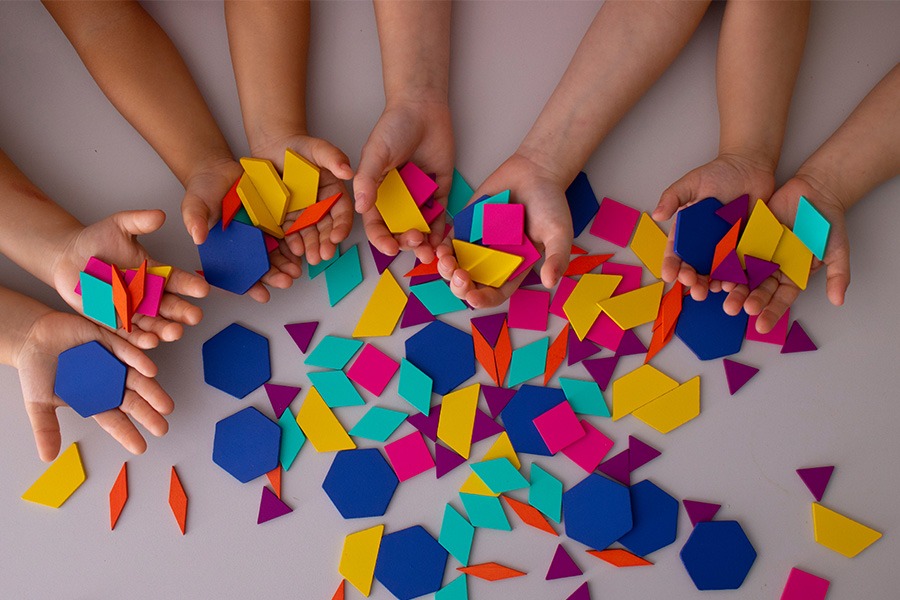
בנוסף, המרכז מבסס את פעילותו על מודלים של ידע מורים, הכוללים ידע תוכן פדגוגי ושילוב בין מרכיבים פורמליים ואינטואיטיביים (Leikin, 2006; Lev-Zamir & Leikin, 2011), וכן על תיאוריות של קהילות פרקטיקה ולמידה מבוססת חקירה (Leikin & Levav-Waynberg, 2007; Leikin & Grossman, 2013). נעשה שימוש באסטרטגיות פדגוגיות מוכחות כגון "מה אם לא?" ושימוש בדרכי פתרון מרובות לטיפוח הבנה עמוקה (Leikin & Levav-Waynberg, 2009; Levav-Waynberg & Leikin, 2012).
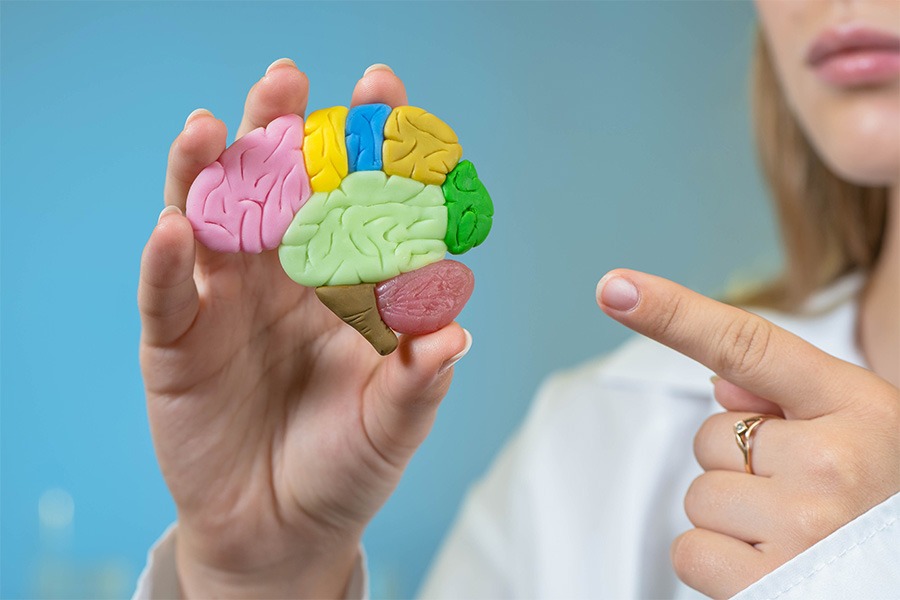
לבסוף, התשתית התיאורטית של המרכז מקיפה גם את תחום הנוירו-קוגניציה, תוך גישור בין תיאוריות חינוכיות לממצאים מדימות מוחי ומדדי זמן תגובה. מאמרים אלו מציעים מסגרת להבנה נוירו-קוגניטיבית של תהליכי למידה ופתרון בעיות, ומנתחים היבטים כמו עיבוד חזותי, עומס קוגניטיבי, אפקט פיצול הקשב ופעילות מוחית בזמן פתרון בעיות (Leikin et al., 2013a; Leikin et al., 2014b; Leikin et al., 2025a; Waisman et al., 2014). סינתזה זו של ידע תיאורטי ומחקרי מאפשרת למרכז חמ"ה לפתח מודלים הוראתיים מבוססי ראיות, התומכים בפיתוח יכולות מתמטיות גבוהות במערכות חינוך מגוונות (Guberman & Leikin, 2013; Leikin, 2018b, 2021b; Leikin et al., 2023; Miller Markovitz et al., 2025a; Sriraman & Leikin, 2016; Waisman et al., 2025).
References
Cai, J., Leikin, R., & Robison, V. (2026). New Advances and Directions of Mathematical Problem-Posing Research. Research in Mathematical Problem Posing: New Advances and Directions, 1-15. https://doi.org/10.1007/978-3-032-05493-7_1
Guberman, R., & Leikin, R. (2013). Interesting and difficult mathematical problems: changing teachers’ views by employing multiple-solution tasks. Journal of Mathematics Teacher Education, 16(1), 33-56. https://doi.org/10.1007/s10857-012-9210-7
Leikin, M., Leikin, R., & Waisman, I. (2018). Expertise, giftedness and insight in mathematics. International Journal of Psychophysiology, 131S, S37. https://doi.org/10.1016/j.ijpsycho.2018.07.114
Leikin, M., Waisman, I., Shaul, S., & Leikin, R. (2014b). A comparative study on brain activity associated with solving short problems in algebra and geometry. In Proceedings of the 38th Conference of the International Group for the Psychology of Mathematics Education (Vol. 4, pp. 121-128). PME.
Leikin, R. (2006). Learning by teaching: The case of Sieve of Eratosthenes and one elementary school teacher. In R. Zazkis & S. Campbell (Eds.), Number Theory in Mathematics Education: Perspectives and Prospects. (pp. 115-140). Mahwah, NJ: Erlbaum.
Leikin, R. (2007). Habits of mind associated with advanced mathematical thinking and solution spaces of mathematical tasks. CERME Congress of the European Society for Research in Mathematics Education 5, 2330-2339.
Leikin, R. (2009a). Bridging research and theory in mathematics education with research and theory in creativity and giftedness. In R. Leikin, A. Berman, & B. Koichu (Eds.), Creativity in mathematics and the education of gifted students (pp. 385–411). Sense Publishers.
Leikin, R. (2011). The education of mathematically gifted students: Some complexities and questions. The Mathematics Enthusiast, 8(1), 167-188. https://doi.org/10.54870/1551-3440.1211
Leikin, R. (2015). Problem Posing for and Through Investigations in a Dynamic Geometry Environment. In F. M. Singer et al. (Eds.), Mathematical Problem Posing (pp. 373–391). Research in Mathematics Education. https://doi.org/10.1007/978-1-4614-6258-3_18
Leikin, R. (2016). Interplay between creativity and expertise in teaching and learning of mathematics. In Proceedings of the 40th Conference of the International Group for the Psychology of Mathematics Education (Vol. 1, pp. 19-34). Szeged, Hungary: PME.
Leikin, R. (2018b). Part IV: Commentary–characteristics of mathematical challenge in problem-based approach to teaching mathematics. In Teaching and learning secondary school mathematics: Canadian perspectives in an international context (pp. 413-418). Cham: Springer International Publishing. https://doi.org/10.1007/978-3-319-92390-1_38
Leikin, R. (2019b). Openness and constraints associated with creativity-directed activities in mathematics for all students. In N. Amado, S. Carreira, & N. Amado (Eds.), Broadening the scope of research on mathematical problem solving (pp. 387–396). Springer. https://doi.org/10.1007/978-3-319-99861-9_17
Leikin, R. (2019d). Stepped tasks: Top-down structure of varying mathematical challenge. In P. Felmer, E. Pehkonen, & J. Kilpatrick (Eds.), Problem solving in mathematics instruction and teacher professional development (pp. 167–186). Springer Nature Switzerland AG. https://doi.org/10.1007/978-3-030-29215-7_9
Leikin, R. (2020). Giftedness and high ability in mathematics. In S. Lerman (Ed.), Encyclopedia of Mathematics Education (2nd ed., pp. 325-335). Springer International Publishing. https://doi.org/10.1007/978-3-319-77487-9_65-4
Leikin, R. (2021a). Characterisation of mathematics teacher educators’ knowledge in terms of teachers’ professional potential and challenging content for mathematics teachers. In M. Goos & K. Beswick (Eds.), The learning and development of mathematics teacher educators (pp. 109–121). Springer. https://doi.org/10.1007/978-3-030-62408-8_6
Leikin, R. (2021b). When practice needs more research: the nature and nurture of mathematical giftedness. ZDM Mathematics Education, 53, 1579–1589. https://doi.org/10.1007/s11858-021-01276-9
Leikin, R. (2023). Introduction to Mathematical Challenges for All Unraveling the Intricacy of Mathematical Challenge. In: Leikin, R. (eds) Mathematical Challenges For All . Research in Mathematics Education. Springer, Cham. https://doi.org/10.1007/978-3-031-18868-8_1
Leikin, R., & Cai, J. (2026). Research on Mathematical Creativity and Problem Posing: State of the Art and Future Development. In: Cai, J., Leikin, R. (eds) Research in Mathematical Problem Posing. Research in Mathematics Education. Springer, Cham. https://doi.org/10.1007/978-3-032-05493-7_7
Leikin, R., & Grossman, D. (2013). Teachers modify geometry problems: from proof to investigation. Educational Studies in Mathematics, 82(3), 515-531. https://doi.org/10.1007/s10649-012-9460-4
Leikin, R., & Guberman, R. (2023). Creativity and challenge: Task complexity as a function of insight and multiplicity of solutions. In R. Leikin (Ed.), Mathematical challenges for all (pp. 325-342). Cham: Springer International Publishing. https://doi.org/10.1007/978-3-031-18868-8_17
Leikin, R., & Lev, M. (2013). Mathematical creativity in generally gifted and mathematically excelling adolescents: What makes the difference?. ZDM Mathematics Education, 45(2), 183-197. https://doi.org/10.1007/s11858-012-0460-8
Leikin, R., & Levav-Waynberg, A. (2007). Exploring mathematics teacher knowledge to explain the gap between theory-based recommendations and school practice in the use of connecting tasks. Educational Studies in mathematics, 66(3), 349-371. https://doi.org/10.1007/s10649-006-9071-z
Leikin, R., & Levav-Waynberg, A. (2009). Development of teachers’ conceptions through learning and teaching: The meaning and potential of multiple-solution tasks. Canadian Journal of Science, Mathematics and Technology Education, 9(4), 203-223. https://doi.org/10.1080/14926150903314305
Leikin, R., & Pitta-Pantazi, D. (2013). Creativity and mathematics education: The state of the art. ZDM Mathematics Education, 45(2), 159-166. https://doi.org/10.1007/s11858-012-0459-1
Leikin, R., & Sriraman, B. (2022). Empirical research on creativity in mathematics (education): From the wastelands of psychology to the current state of the art. ZDM Mathematics Education, 54(1), 1-17. https://doi.org/10.1007/s11858-022-01340-y
Leikin, R., Hsu, H.-Y., Ansari, D., Abrahamson, D., Obersteiner, A., Miskin, M., & Waisman, I. (2025a). Systematics review of the interdisciplinary exchange among mathematics education and neuroscience. ZDM – Mathematics Education, 57, 583–602. https://doi.org/10.1007/s11858-025-01705-z
Leikin, R., Klein, S., Ovodenko, R., Gurevitch, I., Dinur, S., & Leen, Y. (2023). Math-Key Program: Opening mathematical minds by means of open tasks supported by dynamic applets. In R. Leikin (Ed.), Mathematical challenges for all (pp. 93–113). Springer. https://doi.org/10.1007/978-3-031-18868-8_6
Leikin, R., Leikin, M., Paz-Baruch, N., Waisman, I., & Lev, M. (2017). On the four types of characteristics of super mathematically gifted students. High Ability Studies, 28(1), 107-125. https://doi.org/10.1080/13598139.2017.1305330
Leikin, R., Leikin, M., Waisman, I., & Shaul, S. (2013a). Effect of the presence of external representations on accuracy and reaction time in solving mathematical double-choice problems by students of different levels of instruction. International Journal of Science and Mathematics Education, 11(5), 1049-1066. https://doi.org/10.1007/s10763-012-9388-z
Levav-Waynberg, A., & Leikin, R. (2012). The role of multiple solution tasks in developing knowledge and creativity in geometry. The Journal of Mathematical Behavior, 31(1), 73–90. https://doi.org/10.1016/j.jmathb.2011.11.001
Lev-Zamir, H., & Leikin, R. (2011). Creative mathematics teaching in the eye of the beholder: Focusing on teachers' conceptions. Research in Mathematics Education, 13(1), 17–32. https://doi.org/10.1080/14794802.2011.550715
Miller Markovitz, L., Landau, G. M., & Leikin, R. (2025a). Characterization of STEM-motivated high school students: Focusing on intelligence, mathematical competencies, and creativity. Journal for the Education of the Gifted, 48(4), 382-403. https://doi.org/10.1177/01623532251372602
Paz-Baruch, N., Leikin, M., Aharon-Peretz, J., & Leikin, R. (2014). Speed of information processing in generally gifted and excelling-in-mathematics adolescents. High Ability Studies, 25(2), 143–167. https://doi.org/10.1080/13598139.2014.971102
Pitta-Pantazi, D., & Leikin, R. (2018). Mathematical potential, creativity and talent. In S. Lerman (Ed.), Encyclopedia of Mathematics Education. Springer. https://doi.org/10.4334/9781325133562-20
Sriraman, B., & Leikin, R. (2016). Commentary on interdisciplinary perspectives to creativity and giftedness. In R. Leikin & B. Sriraman (Eds.), Creativity and Giftedness: Interdisciplinary Perspectives from Mathematics and Beyond (pp. 259–264). Springer. https://doi.org/10.1007/978-3-319-38840-3_16
Waisman, I., Leikin, M., Shaul, S., & Leikin, R. (2014). Brain activity associated with translation between graphical and symbolic representations of functions in generally gifted and excelling in mathematics adolescents. International Journal of Science and Mathematics Education, 12(3), 669–696. https://doi.org/10.1007/s10763-014-9516-0
Waisman, I., Leikin, R., & Leikin, M. (2025). Insight elements of mathematical problem solving in generally gifted and mathematical experts: ERP amplitudes in PO electrodes. Frontiers in Integrative Neuroscience, 19, 1523334. https://doi.org/10.3389/fnint.2025.1523334